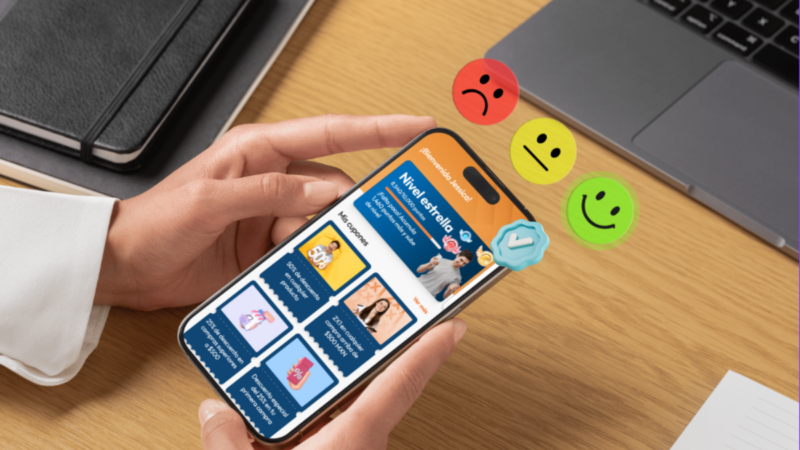
Invest in Effective Strategies to Build Customer Loyalty
83% of Mexicans prefer to buy from brands that offer a loyalty program, and these programs can influence up to 62% of purchase decisions.

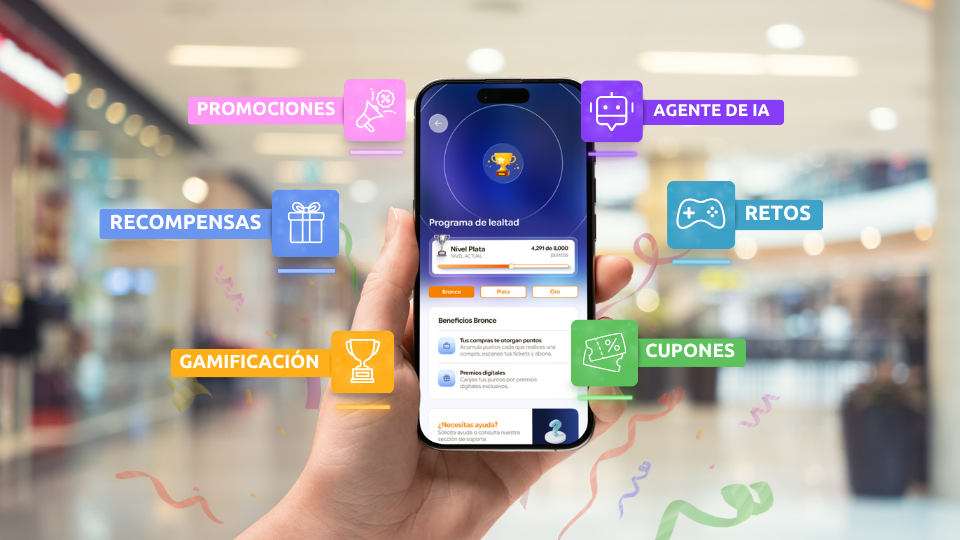
No one wants to feel like just another option. However, companies with a lot of franchises and thousands of customers often run into exactly the same problem.
Instead, if every customer was received in any branch as if you had known them your whole life; as if you knew what they liked, how long they had been shopping with you, and what reward would bring them back. That is the feeling that a well-developed app and loyalty program can achieve, which is why more and more brands and companies are incorporating them into their strategies.
Are you ready? In this article, we will share the three loyalty strategies that will drive your app´s success.
Stick around until the end, and we will share practical tips on how to put them into action.
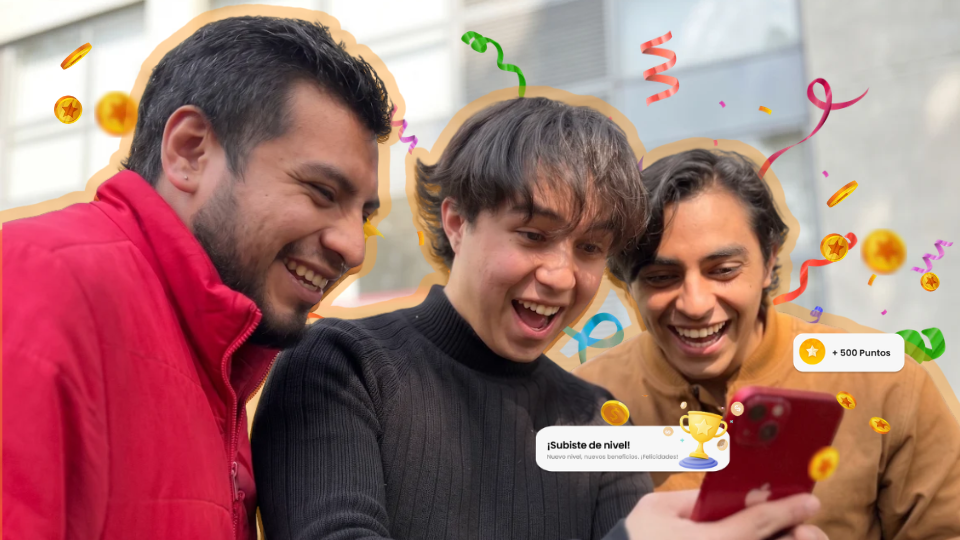
Your customers are already buying from you, but do you know who they are? When someone checks out at a store and their point balance, purchase history and rewards are already there, without having to explain anything, they feel recognized before you even sell them anything. It is a detail that, according to the Bond Brand Loyalty Report, 73% of members of loyalty programs will deliberately change their shopping behaviors to maximize their points or incentives.
So, what should you have in mind? Personalize the experience and recognize each customer, only when they make a purchase, but also when they return, engage with your brand, and achieve milestones with you. A customizable points and rewards system within your loyalty app, featuring capabilities such as:
Having thousands of registered users isn’t much use if they don’t come back.
An analysis of consumer behavior regarding loyalty programs revealed that the average user signs up for eight, but actively participates in fewer than five.
Brands with strong omni-channel strategies retain 89% of their customers, compared to 33% for brands with a weak omni-channel experience. If earning a reward is complicated or the interface is unintuitive, your program will be one of those that falls by the wayside.
What’s the best tool? Having an app with an omni-channel strategy that eliminates friction at every touchpoint, with features such as:
Every time a customer signs up for your app, they provide you with valuable information. Do they know how you use their data? According to the Sogolytics Customer Experience Index, 67% of consumers believe that companies should be more transparent about how they use their data, and 62% report greater loyalty toward brands that clearly explain their privacy policies.
Here’s a tip: Be clear from the start about what data you collect, what you use it for, and let each user decide what information to share.
Recognizing each customer, making it easier for them to interact with you, and earning their trust are three pillars for turning every purchase into the start of a lasting relationship. But for these loyalty strategies to work, simply launching an app isn’t enough. These tips will help you get started on a solid foundation:
Do you want to increase purchase frequency, average order value, or customer retention? Each goal requires a different approach. If you want your customers to return more often, rewards based on visits are best; if you want them to spend more per purchase, point multipliers based on amount or category work best. Having a clear goal prevents you from rewarding behaviors that don’t drive your business forward.
Review your purchase data, ask your branch staff, and, if possible, conduct a brief survey. Knowing what motivates your customers to return (discounts, exclusive products, saving up for something big) allows you to offer rewards that your customers value, rather than benefits with a low redemption rate.
Ensure that customers can earn and redeem rewards the same way at any location, online, and through the app, with a single balance and a single profile. When the experience is consistent, customers don’t have to guess how your program works at each location, which reduces drop-off rates.
Regularly review metrics such as retention rate, purchase frequency, average receipt value, active engagement, and reward redemptions.
A successful loyalty program is constantly adjusted based on what the data reveals.
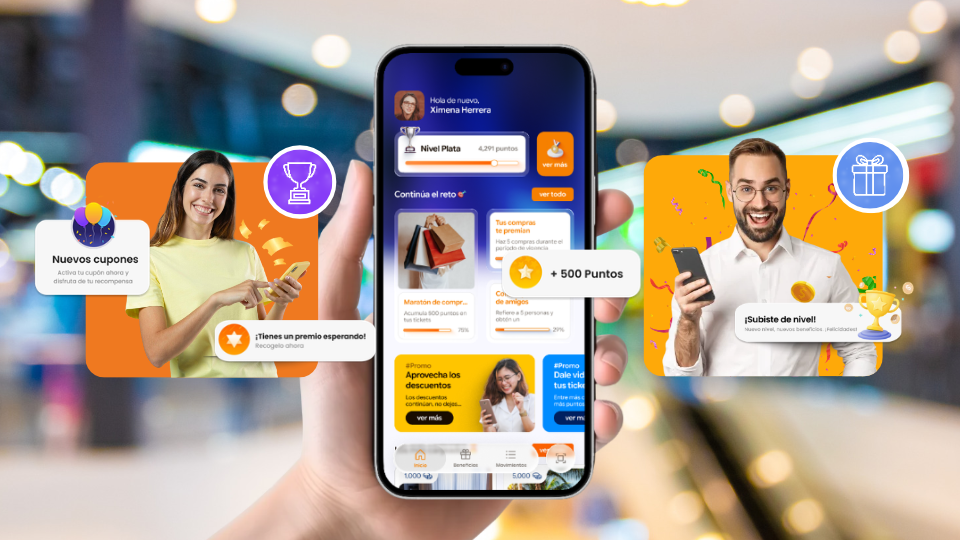
Get to know TicPin, your next all-in-one loyalty platform, 100% customizable and tailored to your goals. It integrates features such as user levels that motivate your customers, promotions that attract them, and a way to reward their loyalty; all within an intuitive, innovative, and creative experience.
Schedule a call and explore the demo of your next loyalty platform.
With over 17 years of experience building mobile apps for businesses, we at Sferea know what makes a loyalty app work. Whether it’s native or a PWA, we’ll guide you through the entire process: UX design, analysis, and development, all backed by industry best practices.
Let’s get started!
83% of Mexicans prefer to buy from brands that offer a loyalty program, and these programs can influence up to 62% of purchase decisions.

Among the main reasons an app might not succeed are:
1. You’re only focused on positioning.
2. Because everyone else has an app.
3. Not listening to your customers.
4. Not consulting with an expert.”

In his book “The Innovators: How a Group of Hackers, Geniuses, and Geeks Created the Digital Revolution,” Walter Isaacson provides a well-crafted narrative on the history of innovation, from Ada Lovelace to Larry Page’s thesis, which led to the birth of Google.
The book analyzes information management (Blogger, Wikipedia, Google), the personal computer (Altair, Apple, IBM), software as a business model (Microsoft), and code and networks that foster communities sharing knowledge (Internet, GNU Linux).